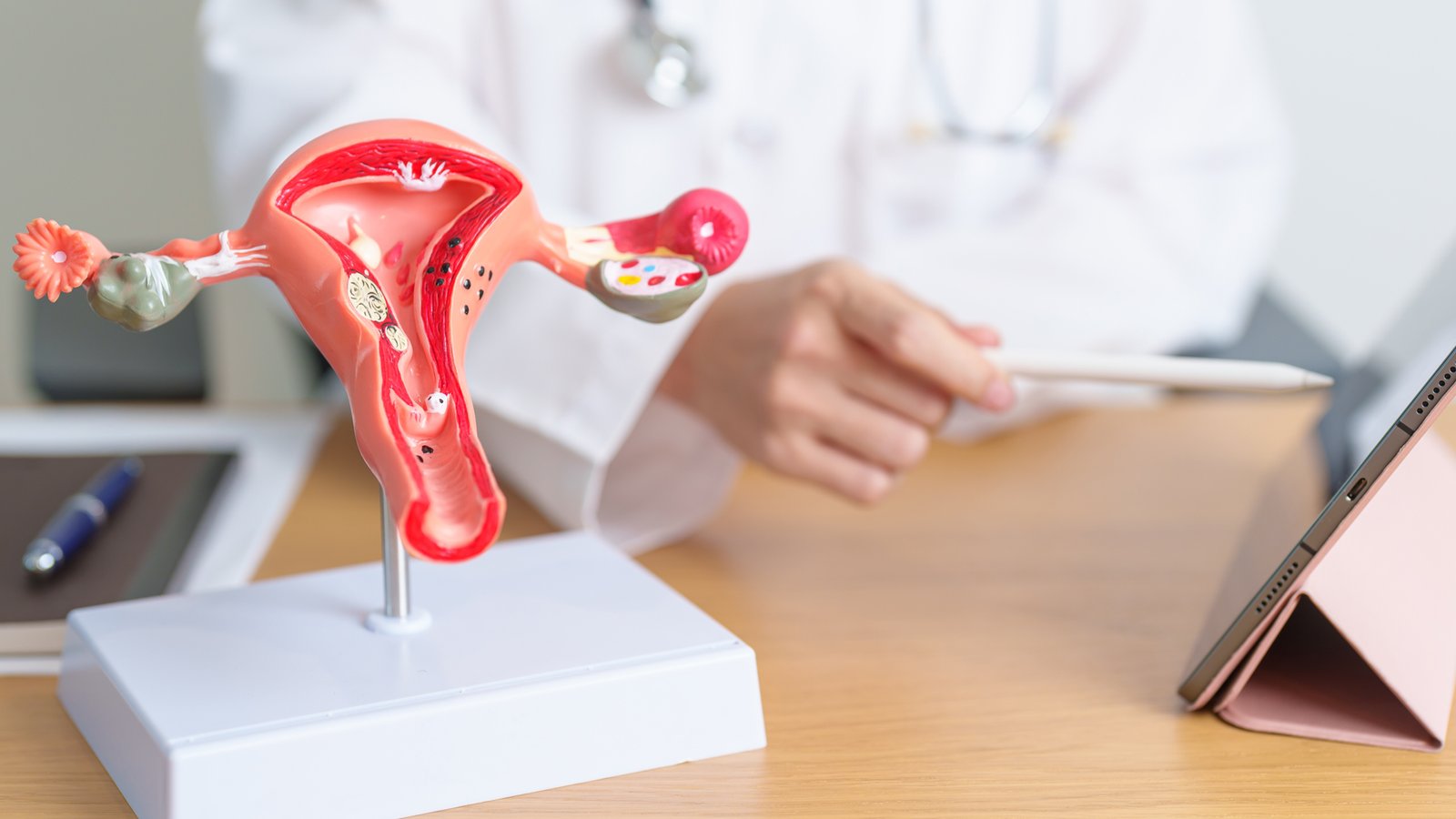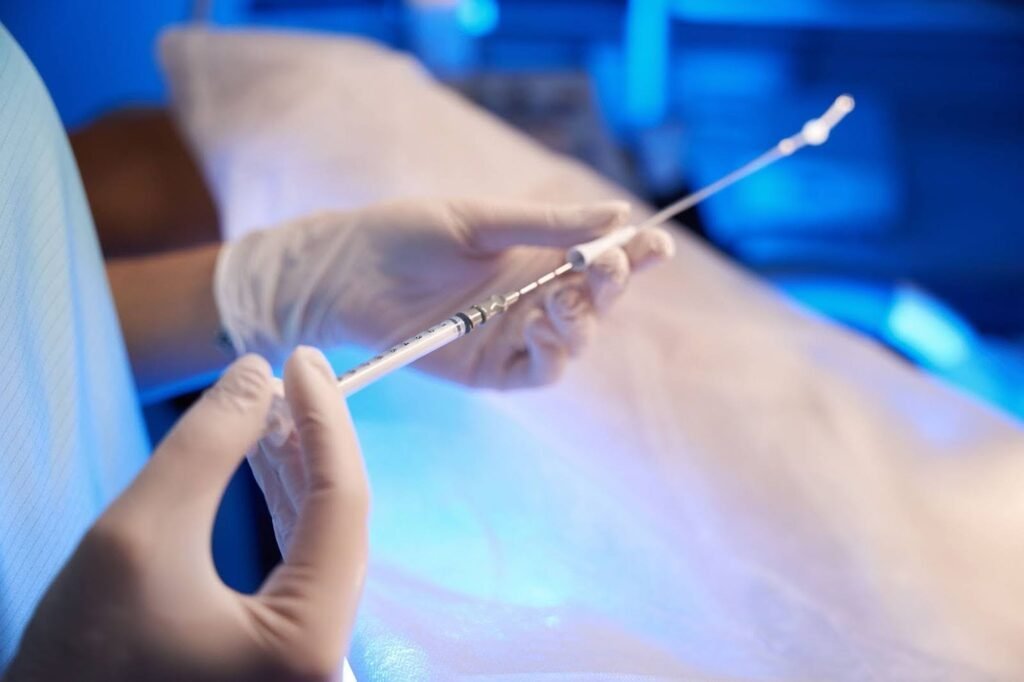
Embryo transfer is a pivotal step in IVF, where the fertilised embryo is placed into the uterus for pregnancy.
What is an embryo transfer procedure
An embryo transfer procedure is the final and arguably the most exciting step in the IVF process. This means that the embryo has developed and your uterus is medically prepared to receive it (typically 3 – 5 days after fertilisation).
The procedure is painless, and involves the use of a thin, flexible catheter guided through the cervix via ultrasound visualisation. Your doctor will then release the embryo into the uterine cavity. After which, you will be given medication to support during this crucial implantation window as we wait 9 – 14 days for a pregnancy test to confirm a successful implantation.
It’s important to remember that an embryo transfer is timed to match your body’s readiness. Creating the best possible environment for implantation also makes for a successful implantation.
Follow your medication schedule closely
Medication protocol is the foundation of the embryo transfer’s success. Usually, your doctor will prescribe hormonal medications timed precisely to ensure your uterus is receptive when the embryo is transferred. These generally include:
- Oestrogen — helps thicken the endometrial lining, creating a nourishing environment for the embryo.
- Progesterone — introduced once the lining is ready, progesterone prepares the endometrium to receive the embryo.
- Other supporting medications — depending on your current condition and medical history, your doctor may prescribe additional medications to improve your chances of a successful implantation. This could be anything from improving blood flow to modulating your body’s immune response.
Even the smallest deviation from the timing prescribed can affect the implantation environment, and reduce your likelihood of a successful implantation. So, it’s paramount that you follow your doctor’s instructions carefully.
Time your bladder for transfer
The fullness of your bladder can greatly impact the ease and accuracy of an embryo transfer procedure. Having a moderately full bladder during your procedure can help straighten the angle between the cervix and the uterus, allowing for a more smooth passage of the catheter during transfer. Additionally, it improves ultrasound visibility, which provides better guidance during the transfer. Generally, it helps to:
- Empty your bladder 1 to 1.5 hours before your scheduled transfer, and then slowly drink water (300 – 500ml) to reach the ideal bladder volume.
- Be careful not to overfill, as an overly full bladder could also lead to discomfort and cramping during the procedure.
Bladder protocols may differ depending on the position of your uterus, and our clinic staff will advise you and make sure that you’re kept as comfortable as possible during the procedure.
Limit uterine contractions post-transfer
The goal after an embryo transfer procedure is to create a nourishing, calm and stable environment for implantation. One of these factors involves minimising uterine contractions. Excessive movements in the uterus reduce the chances of the embryo attaching to the endometrial lining.
To minimise uterine activity, you can:
- Avoid strenuous physical activity — Avoid high-intensity exercises, heavy lifting or sudden twisting and stretching movements. Instead, opt for light movement and low-impact workouts.
- Stay well-hydrated — Hydration supports smooth muscle function and reduces your risk of urine irritability. Aim for at least 2 to 2.5 litres of water daily and avoid diuretics like tea and coffee.
- Avoid uterine stimulants — Avoid caffeine, alcohol or herbal remedies that induce uterine activity and affect blood flow.
- Take your medications as prescribed — Your doctor may prescribe post-transfer medication, such as progesterone, oestrogen and muscle relaxants and antispasmodics.
Eat and drink the right foods that support implantation
A nourishing, anti-inflammatory diet can help regulate hormones, encourage blood flow and support the uterine lining, creating an optimal environment to receive the embryo. Incorporate natural whole foods, such as:
- Leafy greens
- Bright-coloured fruits
- Oily fish
- Nuts and seeds, especially flaxseed, chia and sunflower
- Legumes and whole grains
Stay calm and minimise stressors
Emotional and physical stress can adversely affect our hormonal signals and the uterine environment needed for successful implantation. Although it is natural to feel anxious during the two-week wait, high cortisol levels can disrupt progesterone production and affect blood flow to the uterus. In turn, this lowers the chances of a successful implantation.
You can support your nervous system by doing the following:
- Prioritise sleep — Aim for at least 7 to 9 hours of quality sleep in a cool, dark room.
- Create a gentle morning routine — After waking, avoid rushing straight into work or doing other stress-inducing tasks.
- Protect your mental space — Avoid triggering conversations or environments, and communicate boundaries well with loved ones who may mean well but create pressure.
- Gentle movement — Take walks in nature or do light stretching to lower cortisol levels.
- Creative outlets — Explore new creative outlets, such as drawing or light reading, that can help shift your focus away from stress.
- Lean on support — If you’re feeling overwhelmed, it’s important to remember you’re not alone. Talk to your fertility doctor or nurse, or consider sharing your experience in a support group or with family members.
Summary
It’s important to understand that your embryo transfer isn’t entirely out of your control, and that there are meaningful steps you can take to support implantation and create the most receptive environment for your embryo.
At Majella Women’s Specialist, we are dedicated to providing compassionate care for soon-to-be mothers. No issue is too small. If you have questions or would like to enquire about IVF procedures, please schedule a consultation with us to speak with IVF Specialist, Dr Tan Heng Hao.